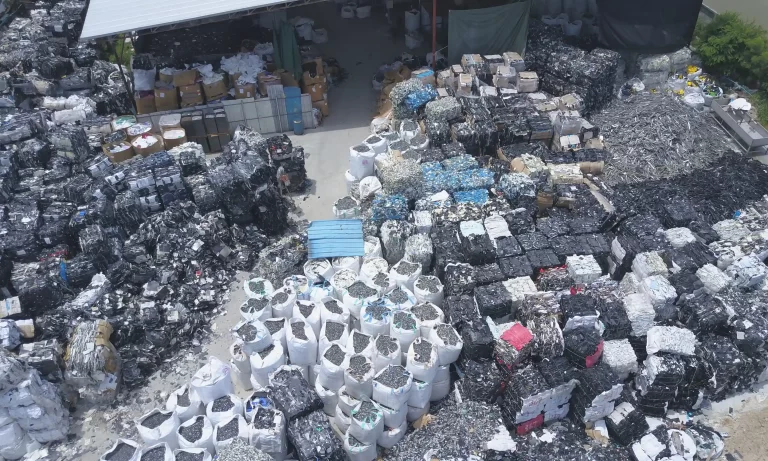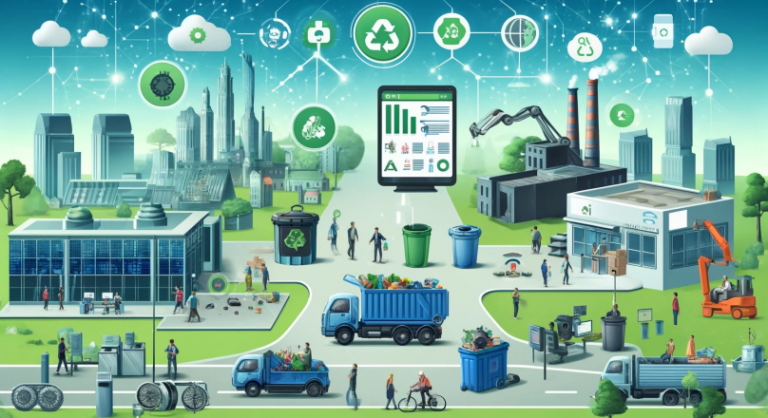
The waste management industry is undergoing a profound transformation, and Artificial Intelligence (AI) is at the heart of this change. What once seemed like a futuristic idea has now become an essential tool that helps companies reduce waste, recover valuable materials, and make better decisions for a sustainable future. For Exportrade, innovation has always been part of the mission, and integrating AI into waste management represents a natural step toward a smarter, circular economy.
One of the most significant impacts of AI can be seen in waste sorting and recycling. Advanced systems equipped with sensors, cameras, and robotic arms use machine learning to recognize and separate different materials such as metals, plastics, and paper with exceptional precision. This level of automation improves efficiency, reduces contamination, and increases the value of the recovered materials, making recycling not only more sustainable but also more economically viable.
AI is also transforming how companies analyze and predict waste generation. By studying data from collection systems, logistics networks, and market trends, predictive analytics tools can forecast future waste volumes and recycling demands. For a company like Exportrade, which operates in the international waste trade, this means better planning, optimized transport, and reduced environmental impact through smarter decision-making.
In waste-to-energy processes, AI helps optimize performance by monitoring temperature, combustion, and emissions in real time. These intelligent systems ensure that energy recovery is as efficient and clean as possible. At the same time, AI-driven maintenance technologies detect early signs of malfunction, reducing downtime and extending the lifespan of equipment.
Ultimately, AI does not replace human expertise — it amplifies it. When combined with experience, sustainability goals, and regulatory compliance, artificial intelligence becomes a strategic partner in building a data-driven circular economy. For Exportrade, adopting AI means turning waste into opportunity, and innovation into concrete progress toward a cleaner, smarter future.