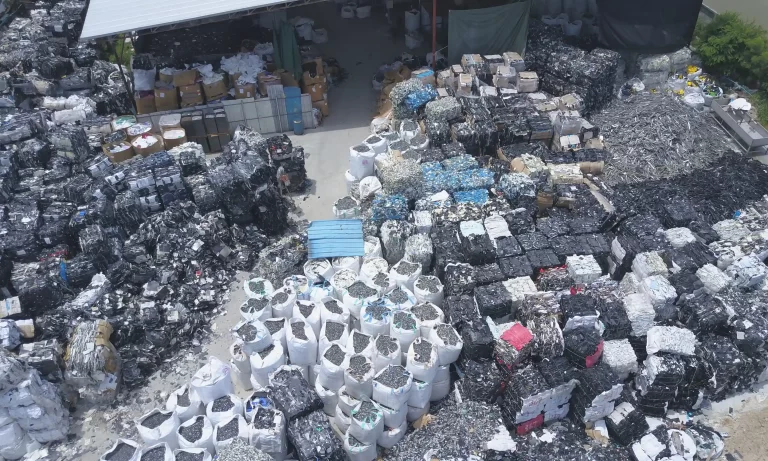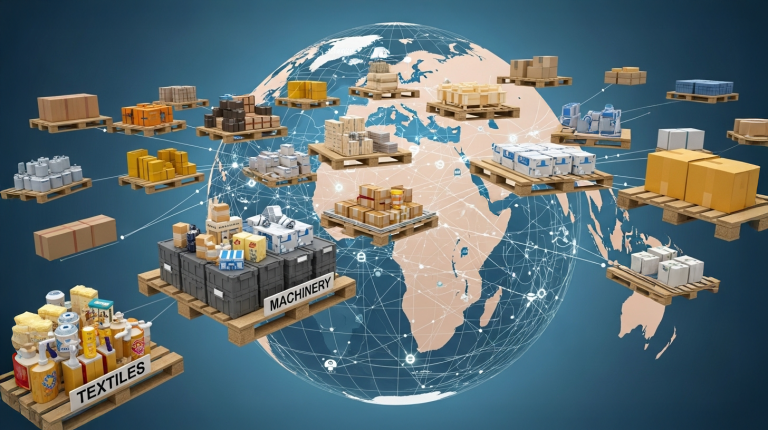
The international trade in waste and recycled materials is undergoing a profound transformation, driven by the growing demand for secondary raw materials and the ever-increasing focus on more sustainable processes. Companies, treatment plants, logistics operators, and business partners now find themselves in a context where speed and accuracy in information management have become essential. In this scenario, digital export is playing a crucial role: digitizing operations reduces the complexity of procedures, improves communication between parties, and streamlines the entire recovery chain. This isn't about replacing field experience, but rather complementing it with tools that allow for greater control, transparency, and security in daily operations.
One of the most important innovations brought about by digitalization is the use of online platforms where buyers and sellers can easily meet. These tools allow available materials to be presented clearly, including photos, technical descriptions, and required documentation. Buyers can also evaluate quality, quantity, and requirements before starting a negotiation. This approach reduces the risk of misunderstandings and allows them to reach markets that were previously difficult to reach, opening up new business opportunities even for those without extensive international networks. Immediate communication also allows for better demand management, avoiding delays and accelerating the decision-making process.
Another area where digital export is bringing significant benefits is documentation. Exporting waste requires a huge amount of certifications, authorizations, forms, and technical documents. Managing everything digitally allows for more precise control, fewer errors, and much faster sharing with partners and competent authorities. The ability to organize and access every document at any time translates into greater efficiency and safer management, especially when working with materials that require rigorous traceability throughout their journey, from the site of origin to the recovery facility.
Digitization is also simplifying logistics management, a crucial component of the international trade of recycled materials. Digital tools allow for instant quotes, carrier availability, pickup schedules, and real-time monitoring of cargo throughout its journey. This is particularly useful when shipments cross multiple countries and require additional checks or specific customs documentation. Knowing where the material is, how long it will take to arrive, and any unforeseen issues allows companies to operate more safely and reduce downtime, improving overall operational efficiency.
Looking to the future, everything indicates that the trade of recycled materials will be increasingly dependent on digital tools and processes. Companies that successfully integrate these technologies into their internal systems will be better prepared to address regulatory changes, market shifts, and the new demands of international partners. The greater traceability afforded by digital technology is also linked to the growing demand for sustainable operations, a key theme in European policies and industry strategies. Digitalization is not just an operational improvement, but a natural step toward a more responsible, organized market capable of truly valorizing recycled materials.