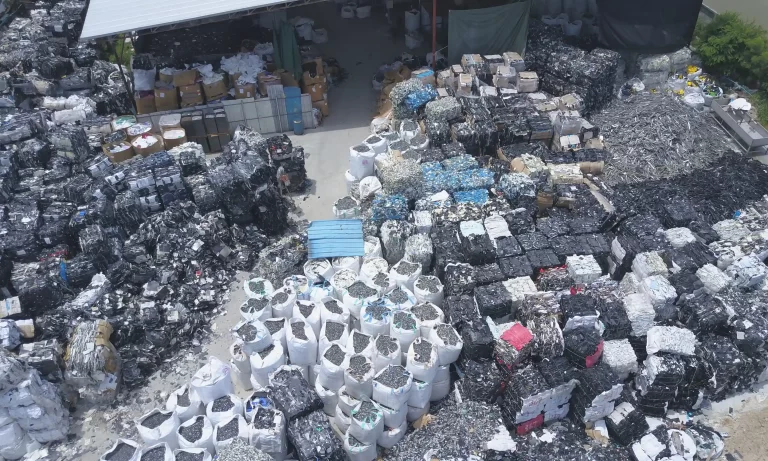
The international transportation of waste and recyclables is becoming increasingly complex, and companies operating in this sector are required to demonstrate a level of responsibility that goes far beyond simple trade. Today, sustainability is not just an environmental value, but a practical framework that guides the collection, treatment, transportation, and exchange of waste across borders. Companies involved in import-export activities must navigate regulations, ensure proper management, and maintain transparency with partners and authorities. For many companies, adopting sustainable practices is not only an ethical choice, but a strategic one, as it helps build trust, reduces risks, and creates long-term opportunities in an industry where compliance and reliability are essential.
A key aspect of sustainable import and export is understanding and complying with the regulatory landscape. Each country has its own requirements for waste transportation, and international shipments often involve multiple authorities, detailed documentation, and environmental standards that must be maintained from origin to destination. Ensuring that all certifications, permits, and transport documents are accurate and up-to-date helps prevent delays, penalties, or even shipment rejections. Companies that invest in clear procedures, adequate staff training, and regular compliance checks are better prepared to operate in global markets, where regulations are becoming more stringent every year. This careful approach reduces uncertainty and contributes to a cleaner and more responsible supply chain.
Another important element is transparency throughout the entire process. Sustainable trade depends on the ability to trace materials from their origin to their final treatment or recovery facility. This includes verifying that partners operate legally, that facilities comply with environmental standards, and that every step in the chain is documented. Using digital platforms, shared databases, or secure document management systems can simplify material movement tracking and communication with suppliers, carriers, and recyclers. Transparency creates reliability, avoids misunderstandings, and supports decisions based on real data rather than guesswork.
Sustainability also affects logistics. The transportation of waste and recyclable materials must be planned with a focus on safety, environmental impact, and efficiency. Choosing properly certified carriers, optimizing routes, and reducing unnecessary movements can reduce emissions and mitigate risks during transportation. Appropriate packaging and labeling of materials helps carriers correctly identify the cargo and manage it according to required standards. Good logistics planning benefits everyone involved, from the exporting company to the final recovery facility, and ensures that materials reach their destination without problems or environmental concerns.
Quality control is another area where sustainable practices make a difference. Waste and recyclable materials must meet the standards agreed upon with buyers and comply with the import regulations of the destination country. Regular inspections, clear specifications, and consistent sampling processes help maintain trust between partners. When materials are accurately and honestly presented, disputes are minimized and business relationships are strengthened. A responsible approach to quality also reflects positively on a company's reputation, especially in an industry where reliability is paramount.
At the heart of sustainable import-export is collaboration. No company can operate efficiently in this sector alone. Working closely with suppliers, recovery facilities, transport companies, and local authorities helps create a stable network capable of responding to new challenges and opportunities. Information sharing, adopting common procedures, and openness to improvement foster a culture of responsibility that benefits the entire industry. Sustainability is not a static goal, but a continuous process that evolves with regulations, market demands, and environmental expectations.
Taken together, these practices demonstrate that sustainability in the global waste and recycling trade is more than simply meeting legal requirements. It's about creating systems that protect the environment, support economic growth, and build long-term partnerships based on trust and responsibility. Companies that adopt this approach are better equipped to face the future of the industry, where transparency, accountability, and careful management will play an even more important role.